What to Expect During Your First Root Canal
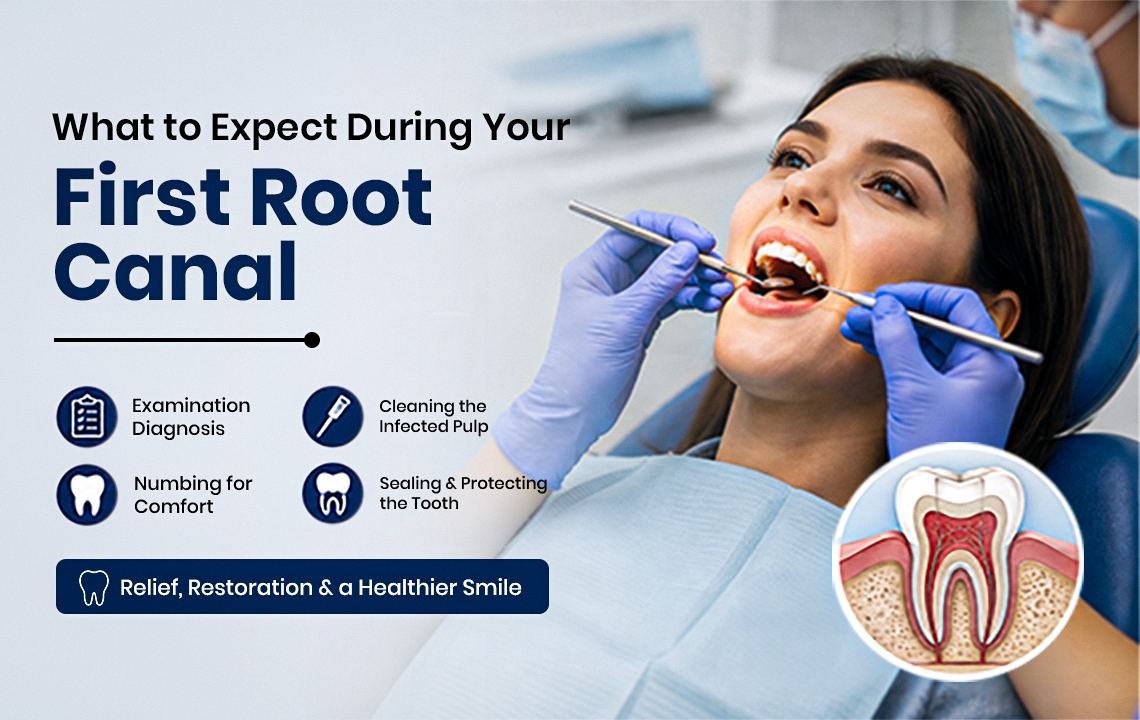
Most people regard a root canal as one of the worst things that can happen at a dentist’s office. In practice the process proceeds in a pretty predictable way – numb the tooth, remove the infected pulp within it, then seal and repair the tooth so it functions normally again. Most patients brace for discomfort that rarely turns out to be what they experience as treatment gets underway. Matrix Dental & Skin Lounge spends time explaining each stage beforehand, mainly because that upfront clarity tends to matter more than people expect.
Where the Fear Actually Comes From
A good portion of the anxiety tied to root canals has little to do with the modern procedure itself. It's leftover reputation, mostly, built on decades-old dental practices that no longer resemble how the treatment is performed today. Anesthesia has improved. Instruments have improved. Yet the phrase "root canal" still triggers a wince in most conversations, even among patients who've never actually had one.
Before the Procedure Begins
1. Diagnosis Comes First, Always
An X-ray typically confirms the extent of infection or damage before any decision is made. This step matters more than patients usually realize as not every persistent toothache actually requires a root canal, and ruling that out properly avoids unnecessary treatment.
2. Numbing the Area Properly
Local anesthesia is administered thoroughly before work begins. Pressure, yes, that's usually felt. Sharp pain, generally not, despite what most people assume walking into the appointment.
What Actually Happens During the Procedure
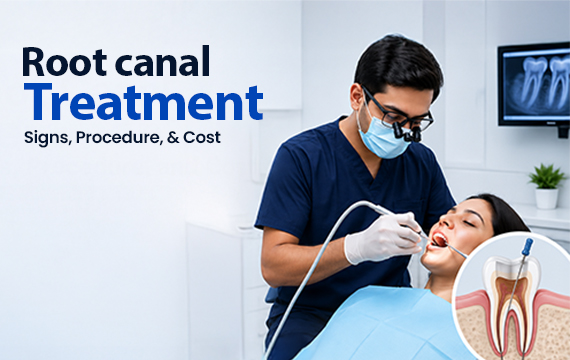
1. Accessing the tooth. A small opening is made at the top of the tooth to reach the infected pulp inside.
2. Removing the damaged tissue. Specialized instruments clear out the infected material from the root canals, and the space gets cleaned thoroughly to reduce bacteria significantly.
3. Shaping and disinfecting. The canals are shaped further and disinfected, preparing the space for the filling material that follows.
4. Filling and sealing. A biocompatible material fills the cleaned canals, then gets sealed to prevent reinfection down the line.
5. Restoring the tooth. Depending on how much natural structure remains, a filling or crown restores strength and normal chewing function afterward.
How Long Does This Actually Take?
A single-visit root canal usually runs somewhere between 60 and 90 minutes. More complicated cases, multiple canals or additional infection, sometimes stretch into a second appointment. There's no fixed timeline that applies universally, since tooth structure and infection severity vary quite a bit from case to case.
Recovery, Realistically
A little soreness for a few days afterward is normal, and usually can be taken care of with regular over-the-counter pain medication. Most patients are able to resume their normal activities the same day, but it is usually better to avoid harder foods on the treated side for a short while.
What About Root Canal Treatment Cost in Delhi?
Root canal treatment cost in Delhi shifts depending on a few factors - which tooth is involved, how complex the infection is, and whether a crown becomes necessary afterward. Molars, given their additional canals, generally cost more than front teeth. A proper cost breakdown typically follows the initial examination, so there's no ambiguity once treatment actually begins.
Why the Choice of Clinic Actually Matters
Precision during this procedure has a direct bearing on long-term success, which is exactly why experience and proper diagnostic equipment carry real weight. Patients comparing options for the best clinic in South Delhi tend to prioritize transparency and a team willing to explain each stage clearly, rather than moving through appointments quickly.
Summary
Once explained properly, a root canal is a fairly routine sequence built around saving a tooth, not the ordeal it’s often made out to be. Most of the fear surrounding it is based on old beliefs and not on what happens with the procedure today. Matrix Dental & Skin Lounge is known amongst patients looking for the best clinic in South Delhi and focuses on clearly walking people through the process, so patients walk in already knowing what to expect, rather than bracing for the unknown.
FAQ
Recent Posts


This is why we do, what we do!


ROBERT
A dental tourism patient shared how his process of treatment was seamless with the help of the highly experienced and considerate doctors of matrix dental and skin lounge. He has full faith on the doctors and can rely on them for all skin and dental treatments in future. He recommends everyone to avail the services of matrix dental and skin lounge.